

What Is a Plastic Pallet and Why It Matters
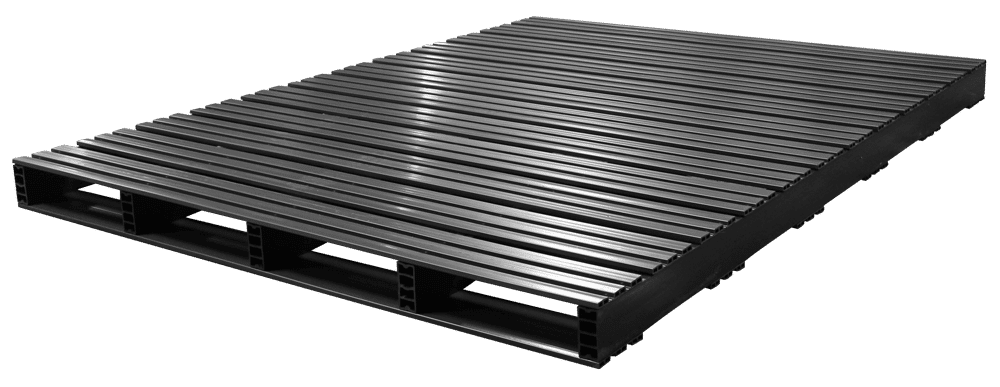
A plastic pallet is a durable, molded platform used for storing and shipping products. Unlike wood pallets, which can splinter, rot, and harbor mold or pests, plastic pallets are resistant to moisture and easy to sanitize. That makes them an ideal choice in industries where hygiene is critical—like food processing, pharmaceuticals, and manufacturing.
Compared to wood, plastic pallets are also lighter, more consistent in size, and less likely to break during transport. For many companies, these advantages translate into better efficiency, fewer damaged goods, and lower long-term costs.
Custom Pallets and Skid vs Pallet Differences
One key benefit of choosing a plastic pallet is the ability to create custom pallets designed to your exact specifications. Whether you need a specific size, load capacity, or racking compatibility, custom options give you more control over your shipping and storage systems. This can be especially useful for companies handling irregularly shaped products or operating in tight warehouse spaces.
You may also come across terms like skid, skid pallet, or even wonder about the meaning of skids. While some use “skid” and “pallet” interchangeably, a true skid usually lacks a bottom deck, making it easier to drag or slide. However, skids tend to offer less stability. For most businesses, a plastic pallet offers a more secure and versatile solution—especially for stacking and automated handling.
Heavy Duty Performance and Long-Term Value
When you need a reliable solution for transporting heavy loads or withstanding tough environments, a heavy duty plastic pallet is built for the job. These pallets are engineered to hold substantial weight without warping or cracking, and unlike wood, they don’t degrade with repeated use. They’re also recyclable, making them an environmentally smart investment.
In short, plastic pallets provide strength, cleanliness, and customization—all in a long-lasting, reusable package. For companies looking to modernize their supply chain, the shift to plastic is a practical, forward-thinking move.